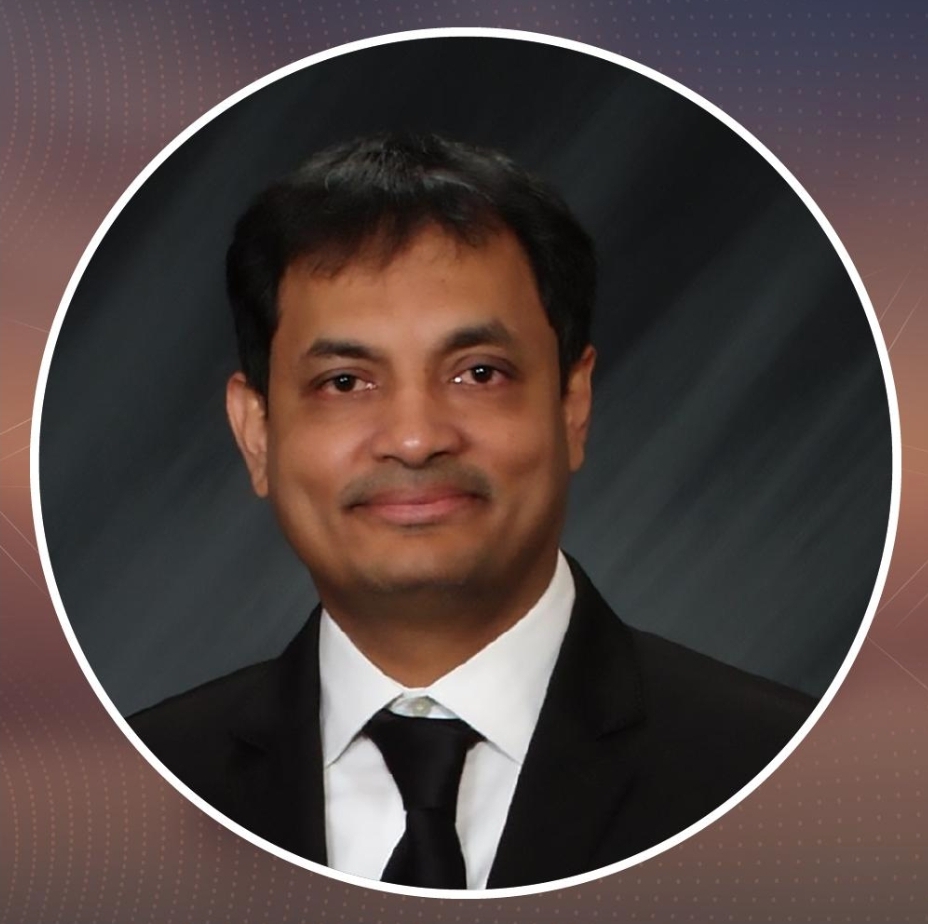
In the rapidly changing world of medical imaging, artificial intelligence is revolutionizing the process through its pioneering use in radiology. AI is drastically changing how physicians examine and interpret scans, from machine learning to computerized examinations. Through enlightening insights from renowned specialist Dr. Hamid Alam, this article will analyze both the benefits and challenges of AI in radiology.
What is AI and How is it Used in Radiology?
Dr. Hamid Alam, a distinguished radiologist and brain specialist, leverages machine learning and artificial intelligence technologies within radiology to enhance diagnosis and improve patient outcomes. Machine learning involves sophisticated algorithms and neural networks assessing imaging data, allowing for precise prognosis and treatment plans. These technologies are modernizing the field by streamlining workflows and boosting accuracy. Machine learning systems can rapidly sift through vast amounts of data to identify patterns and anomalies potentially overlooked. Automating aspects of radiology speeds up the diagnostic process and improves the overall level of care.
Benefits of AI in Medical Imaging
Artificial intelligence in medical imaging provides a multitude of advantages, including improved precision in analyses, personalized care schedules tailored uniquely for each patient, and advances in medicine, leading to enhanced care for individuals.
Improved Accuracy and Efficiency
Machine learning improves accuracy and efficiency in radiological imaging by capitalizing on sophisticated algorithms, radiologists’ technical understanding, and AI-enabled devices for precise interpretations. By applying AI algorithms, imaging workflows are streamlined, enabling faster interpretation of complicated scans and abnormalities. With integrated AI technology, radiology experts can access comprehensive data analytics tools that aid in pattern and abnormality identification. These diagnostic tools powered by AI allow radiologists to make more informed decisions, leading to timely and more accurate diagnoses. AI systems continue learning and improving, staying updated with the latest developments in imaging.
Early Detection of Diseases
By using AI algorithms that can examine scans with incredible speed and accuracy, healthcare providers can spot irregularities at early stages and start well-timed interventions. This technology assists radiology experts by identifying possible areas requiring attention in scans. Advancements in AI are empowering specialists to identify diseases such as cancer, cardiovascular issues, and neurological disorders in their initial phases through machine learning algorithms. Research reports have shown that the incorporation of AI into scanning not only enhances analytical precision but also leads to improved treatment planning and patient care.
Personalized Treatment Plans
AI enables healthcare providers to create individual treatment plans, leveraging precision, customized management techniques, and AI-integrated radiology systems for the care of each patient. By taking advantage of the capabilities of artificial intelligence, physicians can examine large amounts of patient data to identify subtle patterns and emerging trends that aid in creating approaches tailored for each unique individual. This level of customization not only boosts the quality of care but also improves outcomes in a personalized way for each patient. AI plays a pivotal role in patient management by streamlining administrative tasks, allowing healthcare providers to focus more on providing effective treatments.
Current AI Applications in Radiology
Current uses of AI in radiology encompass tumor detection and classification, image reconstruction, and automated reporting, highlighting the innovation and integration of AI technologies in radiology equipment.
Tumor Detection and Classification
These AI-powered tools help standardize reports, enhancing communication among healthcare providers to address each individual’s unique medical needs and circumstances. AI applications further contribute to optimizing radiology workflows by prioritizing urgent cases and reducing risks from human error while speeding up the interpretation of image examinations.
Image Reconstruction and Enhancement
Artificial intelligence also aids the medical imaging process itself, applying innovative techniques, integrated AI solutions, and machine learning approaches to boost diagnostic precision. After assessing enormous amounts of information, AI algorithms can assist physicians in detecting even subtle abnormalities that may unnoticed by humans. Through ongoing training on prior cases, machine learning allows AI to continuously refine its skills in identifying potential issues within medical scans. Incorporating AI into medical imaging helps streamline clinical workflows, allowing faster interpretation of results.
Automated Reporting and Diagnosis
AI streamlines radiology processes through automated reporting and diagnosis, optimizing vast datasets and diagnostic algorithms. This shift in medical imaging provides expedited yet meticulous interpretations. Machine learning examines imaging archives to identify abnormalities, offering guidance to experts.
Insights from Dr. Hamid Alam: A Radiologist’s Perspective on AI in Radiology
Renowned radiologist Dr. Hamid Alam shares illuminating insights into AI’s role in radiology. Drawing from his experiences, he outlines the benefits and clinical challenges.
Benefits and Challenges in Clinical Practice
By leveraging AI, healthcare workers such as Dr. Alam can tap into its potential to streamline assessment processes, allowing more rapid and accurate evaluations. AI algorithms can analyze vast amounts of medical information, aiding in disease detection and treatment planning. Despite these benefits, integrating AI in healthcare faces hurdles, including privacy concerns and requiring training to adapt to evolving technologies. However, Dr. Alam advocates for a balanced strategy combining AI’s efficiency with human expertise to achieve the best outcomes for patients.
Future Predictions and Recommendations
Dr. Hamid Alam anticipates prospective advancements in radiology, changes in technology, groundbreaking AI solutions, and healthcare innovations that will revolutionize medicine. He envisions a future where machine learning radically transforms the field of radiology, improving both accuracy and productivity over time. As algorithms integrate into radiology systems, technology will streamline complex workflows while improving results. Dr. Alam advocates that AI-powered tools can aid radiologists in interpreting scans more swiftly and precisely than ever.