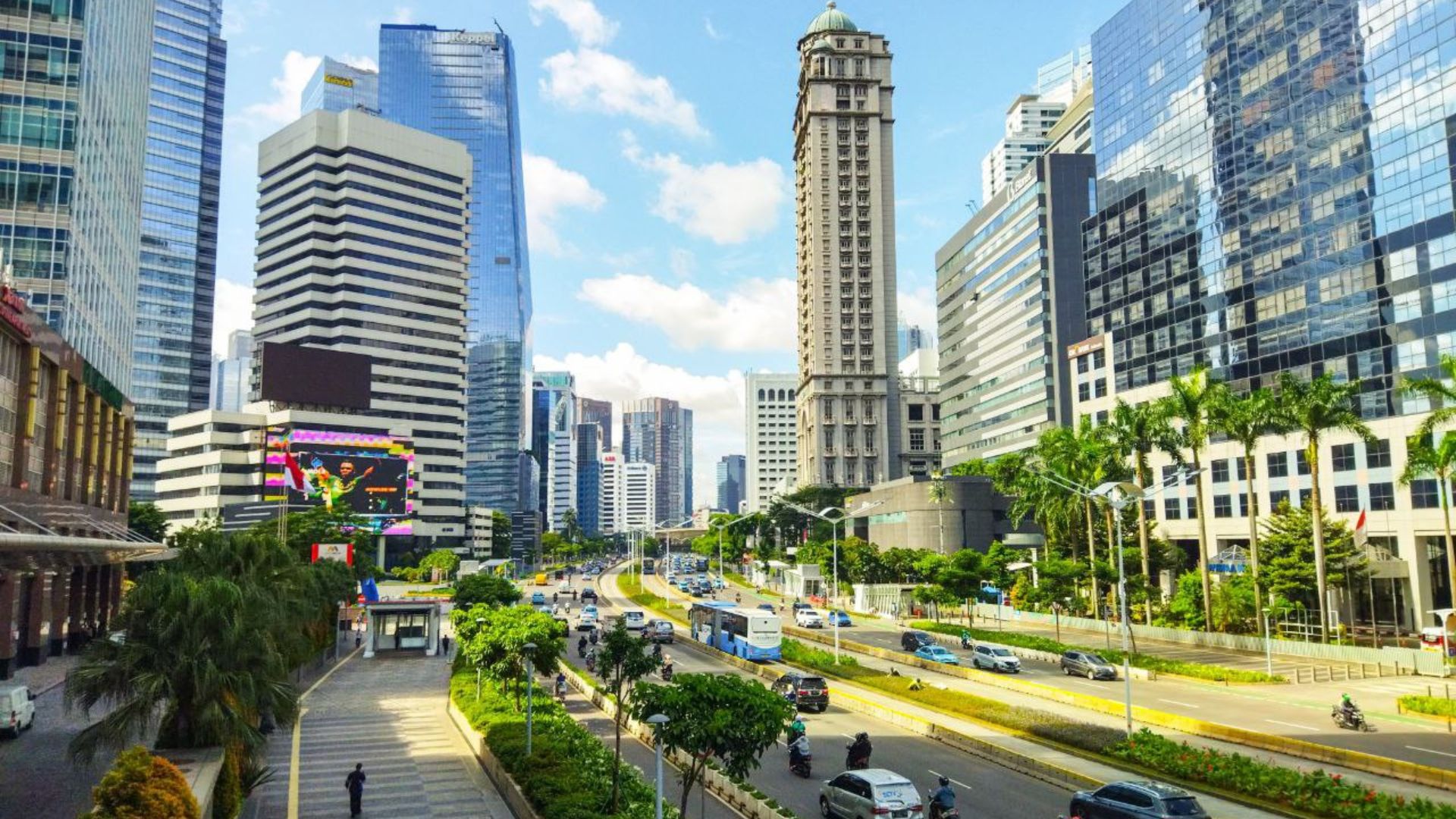
Indonesia is reportedly eyeing a shake-up in rules governing foreign investment in its residential property market, with the aim of giving a much-needed boost to the construction sector. This could turn the country into global property hotspot for investors.
The Southeast Asian nation is poised to outpace economic giants like Germany, Japan, and the UK, securing the fourth position globally by the mid-century. The nation’s GDP is experiencing robust growth, surpassing 5% annually, well above the global average.
Fueling this upward trend is the surging urban population, driven by both high fertility rates and the relentless march of urbanization. The World Bank is predicting a staggering 780,000 new households being formed each year until 2045, creating a sustained hunger for housing.
Increasing demand is fueled by rising incomes and families upgrading from substandard housing to newly constructed, superior residences. Simultaneously, the supply side is approaching its capacity limits, with a majority of the nation’s major developers and builders facing overleveraging challenges, impending maturities, and restricted avenues for expansion. Overall, the positive potential for price escalation is highly attractive.
On the surface, Indonesia’s property market appears to be a goldmine for potential investors, with residential prices significantly undercutting those in comparable nations. According to Numbeo, the average price per square meter in an Indonesian city center hovers just above $1,600, a far cry from neighboring countries.
Despite the tantalizing prospects, property prices remain on the lower side for a crucial reason. Only one in five Indonesian families can afford a home on the commercial market, leaving around 6 million people, or over 2% of the population, effectively without homes.
Traditionally, the Indonesian government has prioritized safeguarding the market from affluent foreign investors, limiting their property ownership rights to leaseholds of 80-100 years with no access to mortgage finance. Full ‘freehold’ ownership is off-limits for foreigners, and, according to a leading online property hub Housearch.com, minimum purchase price requirements range from $65,000 for a flat in Northern Sumatra to $325,000 for a villa in Jakarta or Bali. While these restrictions have kept housing affordable for locals, they have impacted the profitability of the construction sector, prompting a historic shift towards liberalization of foreign ownership.
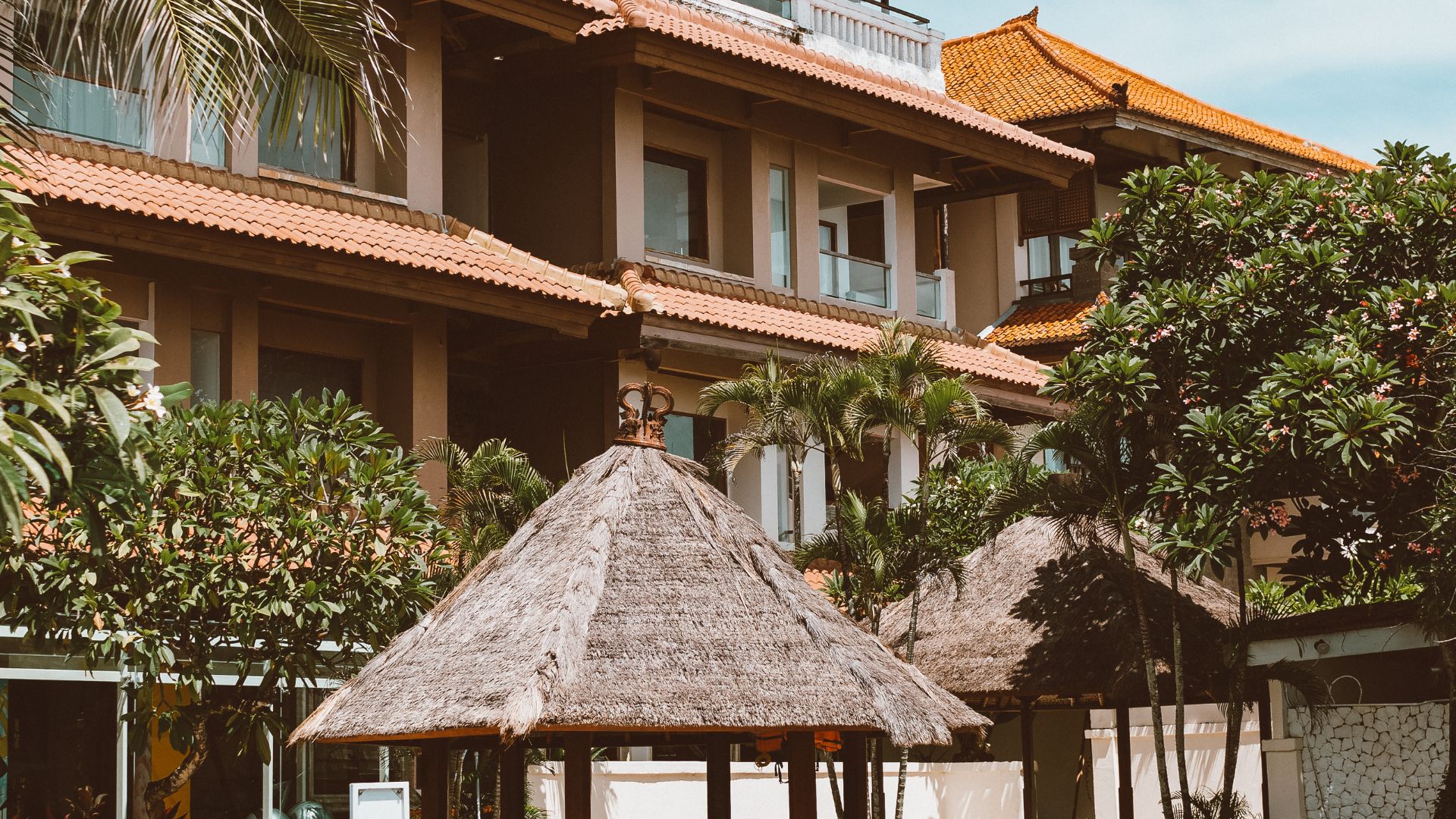
In 2021, Indonesia embarked on the dismantling of barriers, discarding the long-term residence permit requirement and introducing changes in ownership laws favoring overseas investors. Progress, however, has been sluggish, with only approximately 200 foreign owners directly purchasing property in Indonesia without a nominee, and a mere 40 in 2023. Implementation delays, convoluted registration processes, and demands for resident IDs by local authorities have impeded the effectiveness of the reform.
Given that the construction sector contributes about 20% to GDP growth, Indonesia is compelled to further open its housing market to foreign investors, particularly in the premium segment. Speculation abounds that the government may eventually enable full freehold ownership for foreigners in limited, free-zone-style territories, streamlining the registration process.
In a bid to attract more affluent migrants, the government has introduced an array of visa schemes. Notably, the ‘second home’ visa permits a stay of up to 10 years for individuals with a stable income and savings exceeding $130,000. Additionally, a ‘golden visa’ tailored for millionaires has been rolled out, and there are deliberations on a ‘digital nomad’ visa targeting young professionals engaged in remote work.
Despite the existing limitations on leasehold ownership, the appeal remains strong. Housearch.com reports impressive average rental yields, reaching as high as 15% in select ‘hot’ areas like Bali or Jakarta, promising a payback period of less than eight years and a tempting double-digit return on investment, even with modest price increases over the lease term.