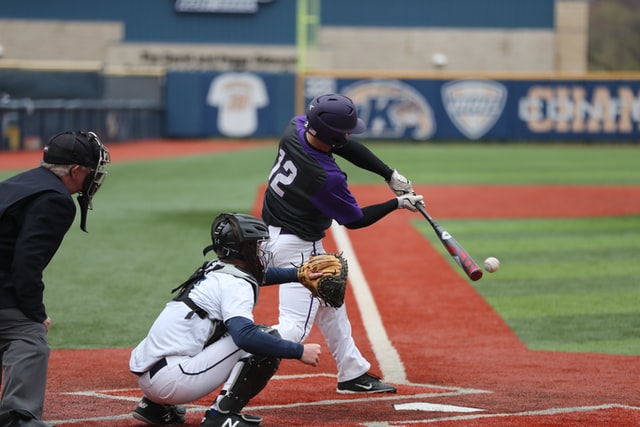
For the average sports fans, watching the MLB Draft may be a bit confusing. Compared to the NFL, NHL, and NBA, major league baseball’s annual selection of top rookies aren’t all college graduates.
Some players may be drafted straight out of high school, while others come from junior colleges regardless of completion. Top players attending university must finish out their junior or senior years (or be 21 years of age) before becoming eligible, but even they aren’t likely to see any time on the diamond with their first seasons with their new team.
Rather than slip on a Padres or Blue Jays jersey, top draftees are instead sent off to play for their team’s minor league affiliates. The MiLB helps train baseball players before they’re added to their team’s full-time roster, known colloquially as a ‘farm system’.
Though it may seem odd, a team’s ability to develop top rookies in their Minor League rosters is the surest way to stay high in MLB rankings. Last year’s World Series contenders, the Tampa Bay rays, have one of the strongest MiLB rosters with ten players slated to become major contributors to the Rays someday.
In fact, experts in MLB betting keep an eye on MiLB rosters like the Rays’ three minor league teams and their five affiliates, as well as those from other top squads like the Miami Marlins and Toronto Blue Jays. But why are promising athletes shipped off to minor league teams in small cities, and when did this practice start?
History
Prior to the 1920s, minor and major league teams operated separately. Promising talent from minor league teams were purchased by major league managers prior to the MLB Draft. However, acquiring players in this method was expensive and, to cut the costs, Dodgers owner Branch Rickey decided to cut out the middleman and own a minor league team himself.
This new farming system proved especially helpful for teams struggling to find solid talent and became more popular league-wide. Soon, the minor leagues separated between affiliated teams and non-affiliates who aren’t part of a Major League farming system.
Over time, Minor League affiliates divided according to the level of play. Triple-A (AAA) is closest to the Major Leagues with top Drafts heading to the AAA Pacific Coast League or the International League before advancing to the Majors, followed by Double-A (AA).
Draftees sent to play on AAA or AA Minors are likely to be added to a Majors roster shortly, while others at the lower levels (A Advanced, A, A Short-Season, and Rookie) may not.
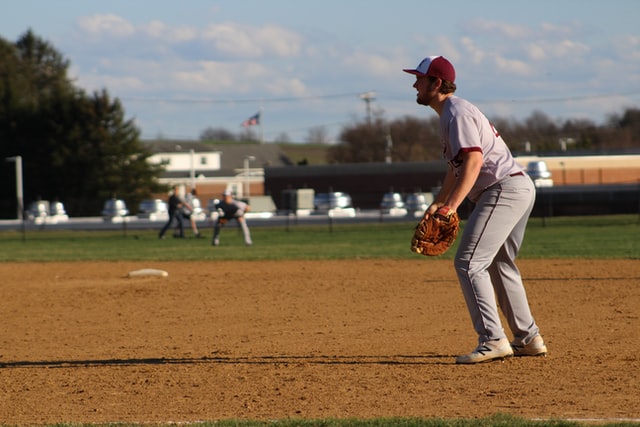
The Farm System At Work
Finding a way to develop talented athletes is a top priority for any major league sport. In England’s Premier League, clubs run ‘academies’ where they can groom talent amongst young players prior to their big debut. For leagues like the NFL and NBA, Division I NCAA programs do this work.
But the MLB works a bit differently. Rosters are larger, with an expanded 40-man roster and at least 25 players on the active roster. The MLB Draft reflects this massive number of players, with 40 rounds that can see 30 teams take home a total of 137 players.
As of January 2021, the Tampa Bay Rays have ten prospects playing for their Minor League affiliates ranked within the top 100 MiLB prospects. The Miami Marlins aren’t far behind with six prospects ranked in the top 100, and the Toronto Blue Jays with five.
The strength of these prospects is gauged not only by their ranking but by what they could deliver for their team. In other words, teams target positions they lack in, which means Rays fans will likely see pitcher Luis Patino and outfielder Randy Arozarena grace the diamond soon.
The Marlins are another great example of the farm system at work. Recent ownership turnover saw the team’s roster gutted. Though the move had fans up in arms, management has since been able to cull top talent from their minor league affiliates to rebuild the team with top-tier talent in players like Sixto Sanchez, Monte Harrison, and Jesus Sanchez, who are at the start of their careers.