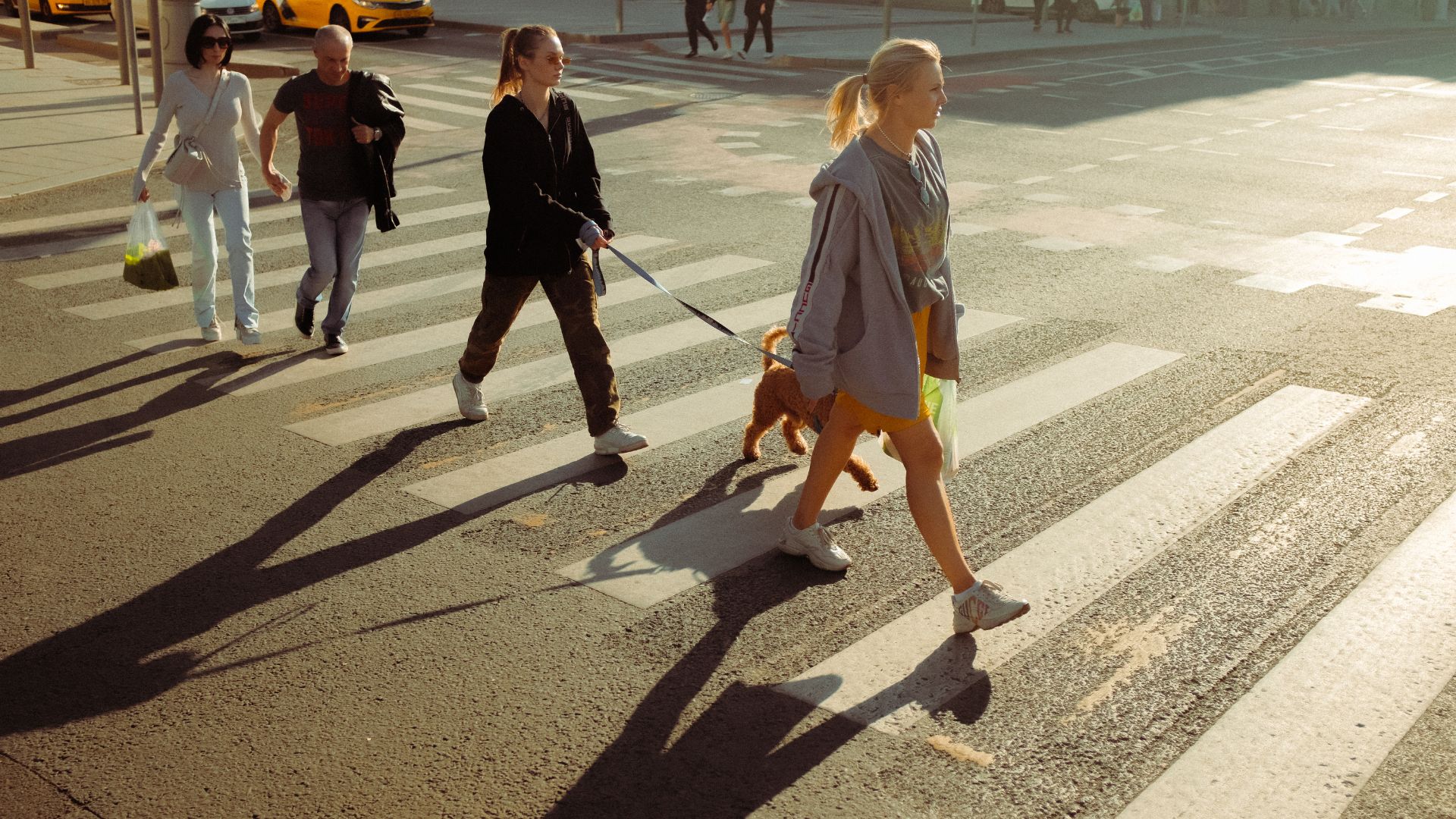
Traveling on foot always comes with risks, but those risks increase substantially at night. This is especially true in poorly lit areas. More than 70 percent of pedestrian fatalities happen after dark. That makes fall and winter particularly dangerous. The nights grow longer, and people spend more time in this pedestrian danger zone.
Reduced Visibility
What makes nighttime so dangerous for pedestrians? One obvious answer is that it’s simply harder for drivers to see at night. Even with headlights, drivers still have a limited range of vision. People see best straight ahead, but pedestrians are usually off to one side. A driver may not notice someone crossing the street soon enough to prevent an accident. Factors such as the weather and the visual acuity of the driver also affect how easy (or difficult) it is for a driver to notice a pedestrian.
In general, headlights are helpful at night, but they do pose a risk of their own: glare. Bright headlights from other vehicles can temporarily blind a driver, making any pedestrians impossible to see. Unfortunately, a pedestrian bathed in headlights should not assume they’re visible to all nearby drivers.
Tired and Intoxicated Drivers
Reduced visibility isn’t the only factor at play when it comes to pedestrian safety. Drivers are also more likely to be tired, intoxicated, or both late at night. Drowsy drivers may be less aware of their surroundings. Their reaction times are slower, and they may even doze off. Social gatherings, which may include alcohol or drug use, also tend to happen at night. Unfortunately, this means that pedestrians are more likely to encounter intoxicated drivers during a time when they’re already vulnerable. Impaired drivers are much less likely to notice a passing pedestrian in time to prevent an accident. Even when they do spot a pedestrian in time, an impaired driver may still pose a danger with their erratic driving and inability to react appropriately.
Staying Safe
Sometimes, walking at night is unavoidable. As a pedestrian, there are things you can do to keep yourself safe. All of the dangers mentioned can increase when pedestrians wear dark clothing or behave unpredictably. If you know ahead of time that you’ll be walking in the dark, plan ahead by ensuring that you’re easy to see. Wear bright, reflective clothing and consider carrying a flashlight. If you need to cross the street, wait until you arrive at a crosswalk. Pay attention to your surroundings as well as to any traffic signs or signals. Drivers can do their part by staying focused, obeying traffic laws, and yielding to pedestrians.
Conclusion
Pedestrian accidents have been on the rise in recent years. Spokane County, Washington alone saw 163 pedestrian accidents resulting in 13 deaths in 2021. With increased risk of injuries and deaths after the sun sets, walkers and drivers need to be even more cautious to avoid tragedy.