Author: Dr. Alexander Sterling (Founder, Global Mosaic Investment Team)
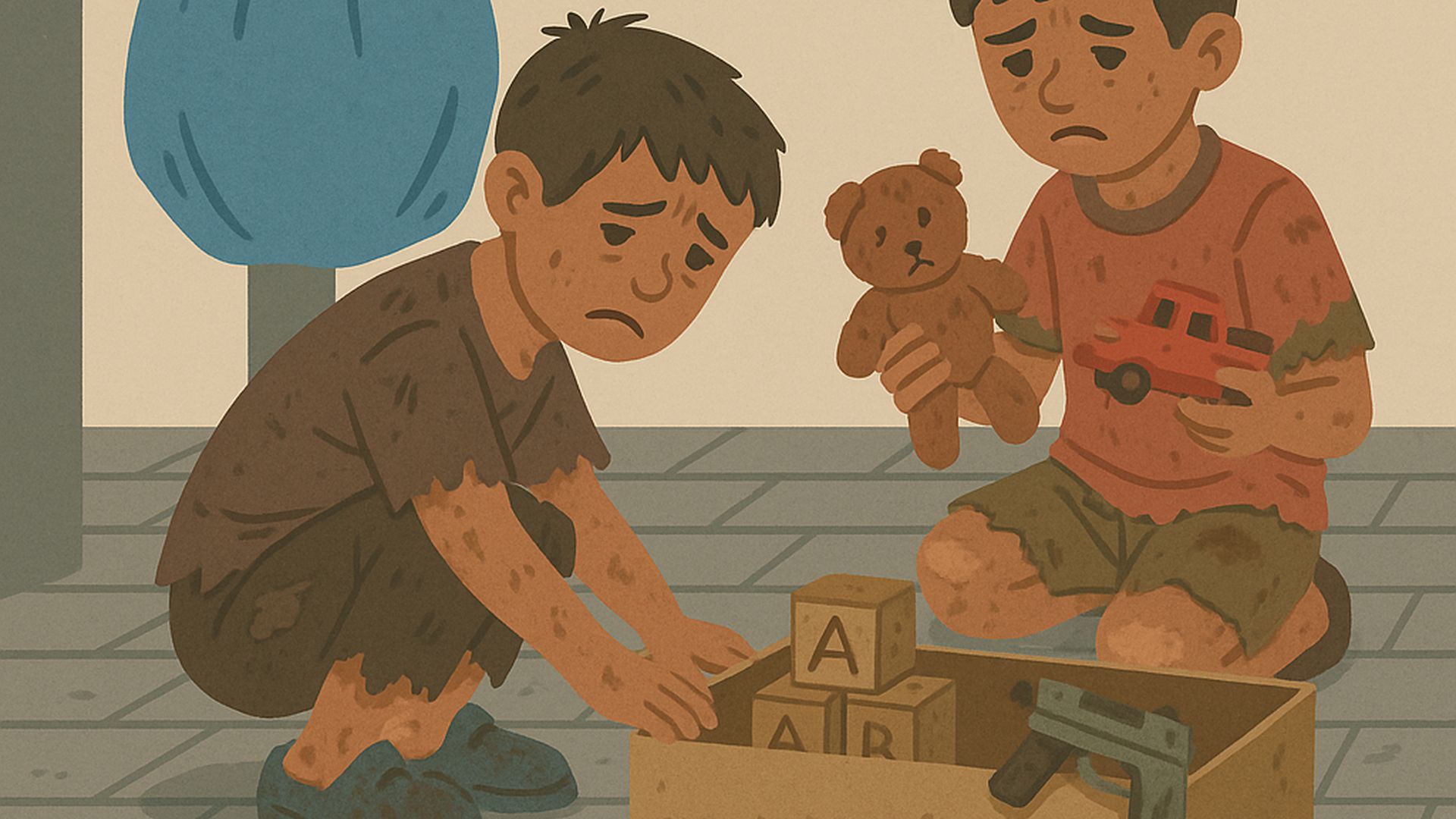
In this world, there are the wealthy, and there are the poor. Why do some people prosper while others struggle in hardship? A common argument goes: “They were born with a silver spoon in their mouth, into privileged families, so of course they’re wealthy. We come from humble backgrounds, with no connections and limited access to quality education—how can we possibly compete?”
At first glance, this might seem reasonable. But upon closer reflection, I find this perspective incomplete. Many people tend to fall into the habit of complaining first instead of reflecting first. They often take a one-size-fits-all approach without considering the admirable qualities that many wealthy individuals possess.
When discussing why the rich become rich, we should first examine how the “self-made” wealthy achieved their success. Before becoming affluent, many of them started from poverty.
Over the years, working in the financial sector and interacting with numerous entrepreneurs, I’ve encountered many who started with nothing and successfully turned their lives around through hard work. At the same time, I’ve also observed another group: those who default to complaining when faced with challenges or who attribute others’ success to specific conditions they themselves lack, thus justifying their own inability to succeed. This reflects a kind of mental laziness, as if they’ve resigned themselves to poverty.
Through these interactions, one overarching insight stands out: the fundamental difference between the rich and the poor lies in their mindset. This is the decisive factor.
As the saying goes, “If you don’t change your thinking, your results won’t change.” For those who cling to a poverty mentality, escaping poverty is nearly impossible. Even if their circumstances improve temporarily, they are likely to fall back into hardship.
There’s no shortage of articles discussing the poverty mentality. Here, I’d like to share some basic truths about the common pitfalls of this mindset that many of us are prone to.
Poverty Mentality #1: Time Is Worthless
“Time is worthless” is not just a poverty mentality—it’s a reality for many in poverty.
Think about it: Who are the people most likely to see their time as having little value? Often, it’s those working as assembly line workers, restaurant servers, or mall security guards—people who work long hours for meager pay. This means their time is undervalued.
We often see scenarios like this: at a farmers’ market, someone gets angry over paying one cent more for a pound of tomatoes, yet doesn’t think twice about spending half an hour arguing about it. This is a classic example of the poverty mentality. Is that one cent really more valuable than your 30 minutes?
If you refuse to change the belief that your time is worthless and continue to see it as having no value, you’ll remain stuck in poverty.
There’s a saying: “Seize the day, for time is money.” While you’re wasting your time haggling over trivial amounts, others are using that same time to gain knowledge, build connections, and acquire resources. The outcome is obvious.
If you don’t change your perception of time and learn to increase its value, breaking free from poverty will remain out of reach.
Poverty Mentality #2: Lack of Independent Judgment
Recently, there’s been discussion online about how anxiety often stems from rushing to achieve a “standard” life. This “standard” implies following the crowd, lacking individuality and independent judgment.
Those who lack independent judgment often exhibit mental laziness. They want an easy life and are unwilling to put in the effort required to achieve their goals. Look at the poor around you: many lead monotonous, unchanging lives for decades, never considering how to take control of their destiny.
Take stock trading, for example. Many people know nothing about the market yet rely solely on others’ recommendations, often ending up losing money.
I frequently conduct financial literacy seminars and encounter many who only want the bottom line without understanding the process. They’re looking for a quick fix, which is a manifestation of wanting something for nothing.
Even if I repeatedly explain financial principles and how to avoid scams, the information often goes in one ear and out the other. When it’s time to make financial decisions, they come back asking, “Should I invest in this?” or “Is that a good opportunity?” This mindset keeps them from making progress in managing their finances.
Lacking independent judgment is essentially mental laziness, and mental laziness stems from a lack of ambition. What truly holds you back is not harsh reality but your own complacency.
So, when you ask, “Why am I poor?” you’re already imposing limits on yourself.
Poverty Mentality #3: Fear of Taking Risks
Did you know? For the poor to turn their lives around, they often need to face risks and challenges.
Making money requires keeping up with trends, not just seeking safety and stability. Many people say, “I just want a stable life.” While this sounds appealing, the truth is, the more you chase stability, the more vulnerable you become.
People often mistake stability for security. But in reality, no matter what you do, risk is unavoidable. It’s like how even drinking water carries a risk of choking.
Being overly attached to so-called stability often leads to rigid thinking and resistance to change. These individuals may feel secure in their current lives, but when adversity strikes, they’re the first to crumble. On the other hand, those who are skilled at assessing and managing risks tend to adapt more effectively.
The word “crisis” contains both “danger” and “opportunity.” During the 2008 subprime mortgage crisis in the U.S., many people made fortunes by shorting the housing market.
For those still in poverty, true stability doesn’t exist. If you’re unwilling to take risks, you’ll never achieve a breakthrough. What’s worse, those who avoid risks often mock those who dare to take them.
If you succeed in your venture, they’ll say it was just luck. If you fail, they’ll say, “I knew it all along.” If you have people like this in your life, my advice is to keep your distance.
Of course, when I talk about taking risks, I’m not referring to gambling. I mean a prudent approach to risk and a spirit of exploration—making well-considered decisions and adopting a proactive attitude toward life.
In summary, my observations of the wealthy over the years have led me to one conclusion: Mindset determines your station in life. The wealthy learn to think differently and then take corresponding action. The poor, however, focus first on the obstacles and then make excuses for themselves.
The world won’t treat you any better because you’re poor. If you want to change your destiny, you must first change your poverty mentality.