Masterful Storytelling at Its Absolute Finest
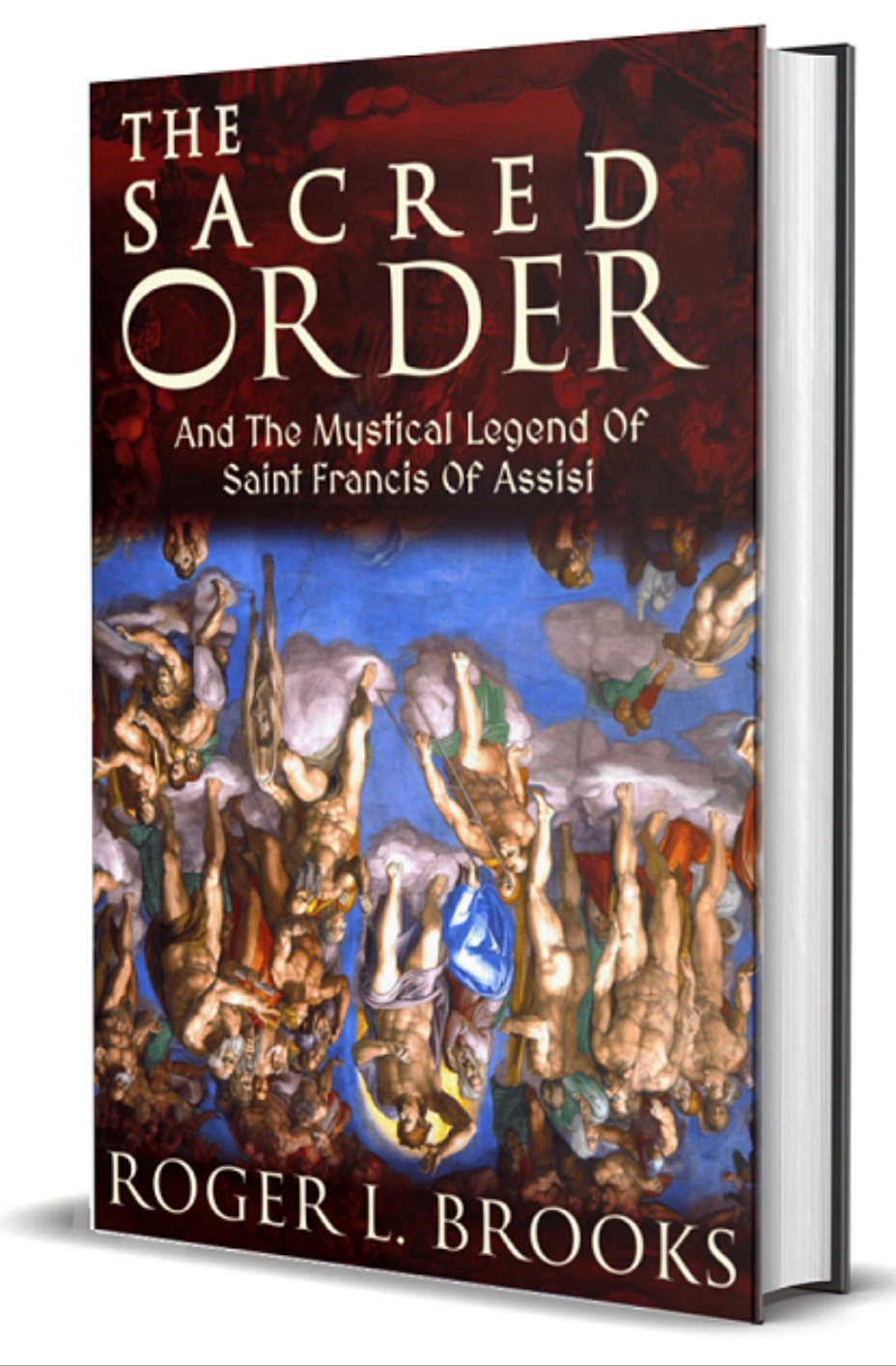
In an era where many find themselves adrift in a sea of technological distraction and spiritual uncertainty, Roger L. Brooks’ debut novel “The Sacred Order and the Mystical Legend of St. Francis of Assisi” arrives like a lighthouse on the shore. This profound work emerges at a critical juncture when Americans—and indeed people across the globe—are increasingly seeking to reconnect with their faith and deepen their spiritual awareness.
The timing of this book could not be more opportune. Recent surveys indicate a growing spiritual hunger among populations that have long been moving away from traditional religious institutions. According to Pew Research data, while formal religious attendance has declined, interest in spirituality, meditation, and the search for meaning has surged dramatically. It is into this landscape that “The Sacred Order” steps, offering not dogma but dialogue; not prescriptions but pathways.
“I wrote this book because I believe the story of St. Francis speaks directly to our modern spiritual crisis,” Brooks reflects. “His journey from privileged son to humble servant of all creation mirrors the transformation many are seeking today—a return to simplicity, compassion, and reverence for the natural world. The incredible life he led and the example he set remains as strong today as it did eight hundred years ago.”
What makes this work particularly resonant in our current climate is its ability to bridge divides. It speaks to those who hold traditional religious views while simultaneously engaging those who identify as “spiritual but not religious.” This inclusivity is rare in spiritual literature, which often caters exclusively to one group at the expense of another.
The novel follows several compelling characters whose lives intersect with the spirit of St. Francis across time. At its center is photorealist painter Anthony Brunelli, whose Vatican art commission unexpectedly draws him into an ancient mystery that his family has guarded for generations. We also meet Ronald Brunelli, Anthony’s father, whose harrowing crucifixion in the opening chapter sets the stage for a narrative spanning eight centuries of secrecy. The story deftly weaves between Anthony’s modern quest and glimpses of St. Francis himself—not just the saint of pious legend, but a flesh-and-blood man wrestling with his father’s expectations, societal pressures, and his own internal calling toward radical simplicity.
“St. Francis endured ridicule, rejection from his family, physical hardship, and constant doubt,” Brooks explains. “Yet what makes his story so powerful is that these struggles weren’t obstacles to his spiritual journey—they were the journey itself. His embrace of Lady Poverty wasn’t abstract theology; it was lived experience.”
As societies grapple with unprecedented challenges—from climate change to political polarization to technological revolution—many are turning inward, seeking not just answers but frameworks for understanding. “The Sacred Order” provides such a framework, one that acknowledges the complexity of modern existence while offering timeless principles that can guide us through it.
The novel delves into the shadowy world of Vatican politics, introducing a secretive organization called the Ramorosso that has been manipulating Church affairs since the Renaissance. This thriller element gives the narrative a page-turning quality while raising profound questions about institutional power and personal faith. Supporting characters like art historian Dr. Vera Valentino and the enigmatic barefoot hermit Massimo Coppo—based on a real-life figure who lives in intentional poverty in Assisi—provide Anthony with crucial guidance on his dangerous quest.
Brother Leo, Francis’s loyal companion, emerges as one of the book’s most compelling historical figures. Through references to his chronicles and journals, we glimpse the daily realities of following a visionary whose radical compassion often defied conventional wisdom. “I wanted readers to experience the essence of Assisi, the timeless paintings and frescoes, and the simplicity of the Franciscan brotherhood,” Brooks shares. “The friars weren’t saintly automatons—they were men learning to live with open hearts in a world that often valued closed fists.”
Where “The Sacred Order and the Mystical Legend of St. Francis of Assisi” truly distinguishes itself is in its narrative craft. Brooks weaves personal anecdotes, historical accounts, and spiritual insights into a tapestry so vivid and compelling that readers find themselves not merely consuming information but experiencing transformation.
The novel skillfully navigates between multiple timelines, from Ronald Brunelli’s brutal crucifixion in modern Rome to the historic papal conclave that elected Pope Francis in 2013. Brooks’ meticulous research shines through in his depictions of Vatican rituals, Renaissance art, and Franciscan spirituality. His descriptions of Michelangelo’s hidden symbols in the Sistine Chapel feel both academically sound and mysteriously thrilling.
“The moment Francis strips himself bare in the town square, returning even his clothes to his father—that scene demanded to be written with both historical accuracy and emotional truth,” Brooks notes. “It wasn’t just a dramatic gesture but a profound spiritual rebirth. I wanted readers to feel both the winter chill on his skin and the fire igniting in his soul.”
Each chapter unfolds with the accuracy of a master storyteller who understands that the most profound truths are often best conveyed through narrative. Instead of lecturing readers about spiritual concepts, Brooks invites them into stories that illuminate these ideas organically. Characters face dilemmas that mirror our own, make choices that reflect our possibilities, and discover insights that awaken our own spiritual intuition.
The novel excels in its action sequences—from Anthony and Vera’s harrowing escape through the Vatican Necropolis to the tense excavation scene in Assisi’s Piazza del Pace where the protagonists unearth the ancient Sacred Order reliquary. These thrilling moments are balanced with contemplative scenes, such as Anthony’s transformative visits to San Damiano and the Porziuncola, where Francis received his earliest divine guidance.
While Clare of Assisi appears primarily in historical references rather than as a point-of-view character, her spiritual legacy is powerfully present. “Clare’s influence on Francis and the early Franciscan movement was profound,” Brooks notes. “Her courage in leaving behind wealth and security to pursue an uncertain calling speaks directly to anyone—particularly women—who have felt the tension between societal expectations and authentic purpose.”
The prose itself possesses a rhythmic quality that mirrors the spiritual practice it describes—moments of intense revelation balanced with periods of quiet reflection. Descriptions of spiritual experiences are rendered with such authenticity that readers report feeling as though they have undergone these experiences themselves.
Perhaps most impressive is how Brooks handles doubt. Rather than dismissing skepticism, “The Sacred Order” embraces it as an essential part of any genuine spiritual journey. Through Anthony’s initial reluctance to accept his family’s sacred obligation and his gradual transformation into a true believer, the book acknowledges the intellectual rigor that authentic faith demands.
“Francis’s dark night of the soul near the end of his life—his physical suffering, his concern for the future of his order, his moments of feeling abandoned by God—these were essential to his story,” Brooks emphasizes. “The character of Brother Leo, who struggles with Francis’s uncompromising ideals, gives voice to the very real questions we all face about how to live spiritual principles in a complicated world. I didn’t want sanitized saints but authentic seekers.”
This storytelling approach makes complex spiritual concepts accessible without simplifying them. Readers from diverse backgrounds—atheists and devout believers alike—have reported finding themselves unexpectedly moved by narratives that speak to the universal human experience while honoring individual differences.
In a time when attention spans are fragmented and deep reading is increasingly rare, “The Sacred Order” accomplishes something remarkable: it creates a literary space so engaging that readers willingly set aside distractions to immerse themselves in its world. This is not merely entertainment but enchantment in the truest sense—a reminder of literature’s power to awaken the soul.
As our collective hunger for spiritual reconnection grows, “The Sacred Order” stands as both guide and companion, arriving precisely when its wisdom is most needed. Through masterful storytelling and profound insight, it offers readers not just information about spirituality but an experience of it—an invitation to rediscover the sacred within and around us, hidden in plain sight all along.
The novel’s climax, featuring Anthony’s powerful address to the College of Cardinals before the 2013 papal conclave, provides a moving articulation of Francis’s enduring message. The Sacred Order itself is revealed to be not just a physical relic but a profound spiritual blueprint for seeing oneself as interconnected with all of creation—a message with profound relevance for our fragmented modern world.
“My deepest hope for this book,” Brooks concludes, “is that readers will see themselves in these characters—in Anthony’s journey from ambitious artist to spiritual seeker, in Francis’s yearning for authentic connection to the divine, in Massimo’s barefoot witness to simple living, and even in the complex characters who oppose the protagonists. Their struggles to live with integrity, compassion, and joy speak directly to our moment of spiritual reawakening. The incredible life that Francis led and the example he set remains as strong today as it did eight hundred years ago.”
About the Author
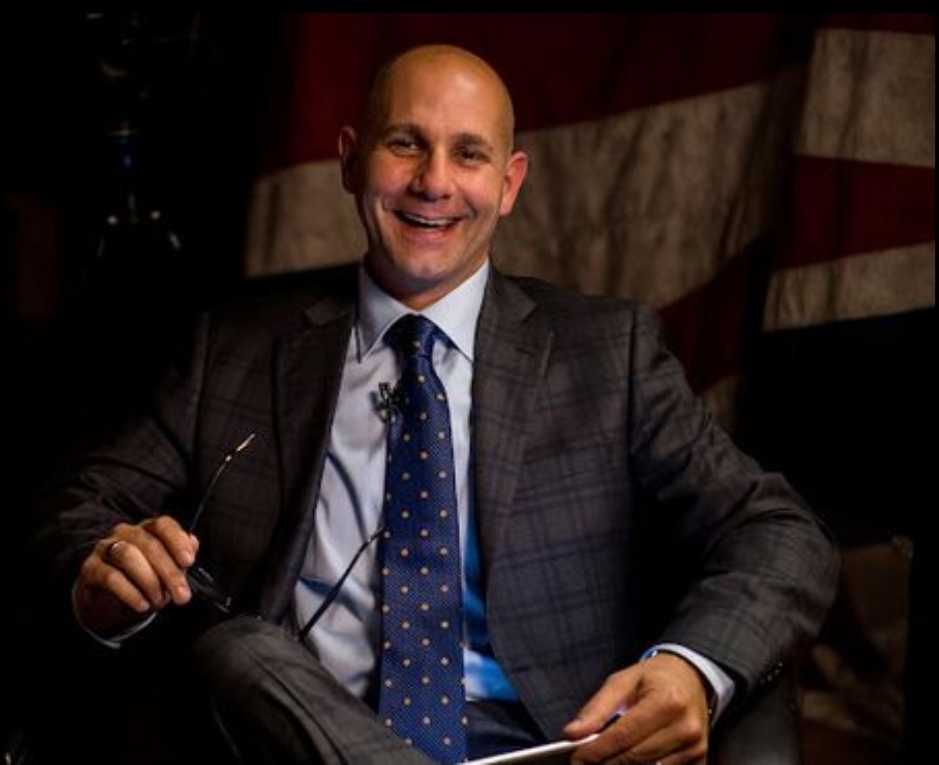
Roger L. Brooks spent over fourteen years crafting “The Sacred Order and the Mystical Legend of St. Francis of Assisi,” drawing inspiration from his first visit to Assisi in 2004. His deep research into Franciscan history, Renaissance art, and Vatican architecture is evident throughout the novel. Brooks successfully blends his interests in religious history, spiritual philosophy, and thriller storytelling in this debut work. More information about the author and his connection to Assisi can be found at thesacredorder.com.