The American Reporter
Tuesday, June 2, 2026
  • Login
  • World
  • National
  • Science
  • Business
  • Health
  • Education
  • Lifestyle
  • Entertainment
  • Sports
  • Technology
No Result
View All Result
  • World
  • National
  • Science
  • Business
  • Health
  • Education
  • Lifestyle
  • Entertainment
  • Sports
  • Technology
No Result
View All Result
The American Reporter
No Result
View All Result

Paolo Davide Farah on The Role of International Economic Law in Shaping Sustainable Trade Policies

Jennifer Ross by Jennifer Ross
March 17, 2025
in World
Reading Time: 5 mins read
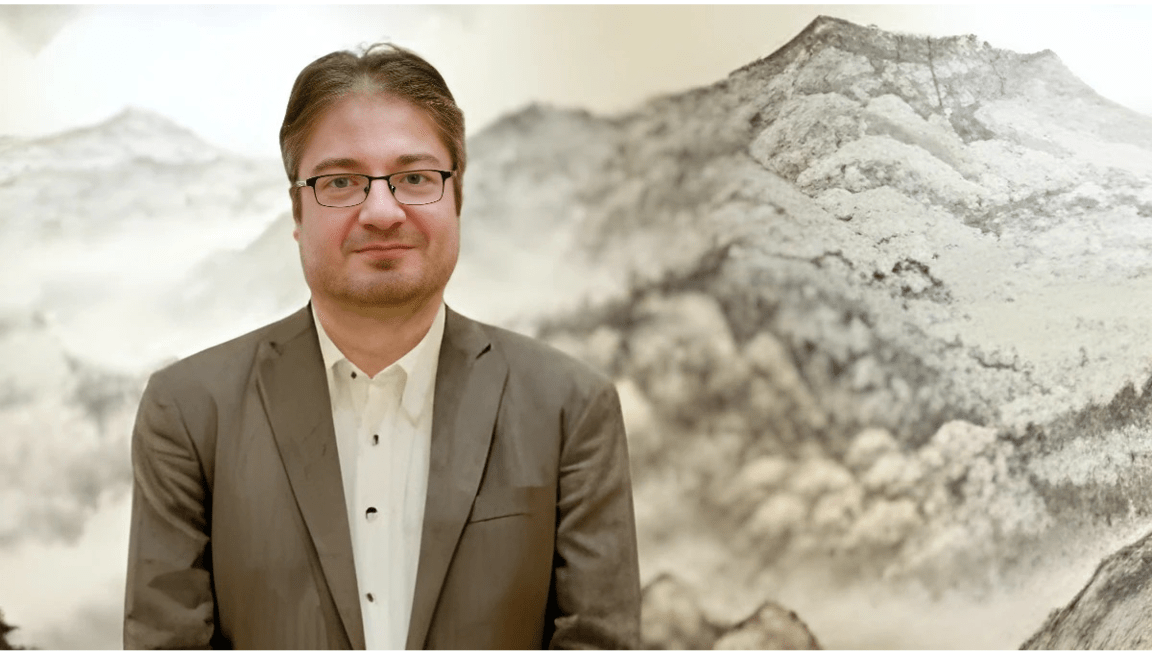
Paolo Davide Farah on The Role of International Economic Law in Shaping Sustainable Trade Policies

Image Source: Paolo Davide Farah

Paolo Davide Farah is a recognized authority in international economic law, environmental sustainability, and global trade policies. A legal scholar and professor, his expertise in international economic law emphasizes its role in shaping sustainable trade policies. 

Professor Farah’s research and consultancy help promote global cooperation by developing legal frameworks that balance economic growth with environmental responsibility. The founder and president of Global Law Initiatives for Sustainable Development (gLAWcal), he initiates research and dialogue on sustainable development and global justice. 

RELATED POSTS

Holly DeNeve: Why Composure in the Courtroom Can Change a Child’s Future

Stan Polovets and the Genesis Prize Foundation Mark Four Years of War in Ukraine

By formulating legal solutions that balance economic growth with sustainability, Professor Farah encourages the adoption of trade policies that promote global justice, ethical practices, and environmental responsibility.

Legal Foundations for Sustainable Trade Policies

International economic law plays a crucial role in shaping sustainable trade policies by incorporating legal frameworks that balance economic growth with environmental and social responsibility. WTO agreements, regional trade agreements (RTAs), and bilateral treaties increasingly incorporate sustainability provisions, which align trade practices more closely with global environmental commitments.  

Trade law also helps balance economic interests with environmental protection concerns, preventing nations from adopting sustainability measures as disguised protectionism. With appropriate legal mechanisms in place, environmental regulations can support genuine sustainability efforts without unfairly restricting trade.  

Investor-State Dispute Settlement (ISDS) cases further influence sustainable trade by holding corporations accountable for environmental and social responsibilities. These disputes shape legal precedents, reinforcing corporate obligations to uphold sustainability commitments.  

Paolo Davide Farah’s work in international economic law and through gLAWcal contributes significantly to research and policy discussions. The organization’s efforts allow trade laws to evolve and support sustainable development while maintaining fairness and global cooperation.

The Evolving Role of ESG in Trade Law 

Corporate Social Responsibility (CSR) and Environmental, Social, and Governance (ESG) factors are increasingly shaping trade law, influencing corporate obligations and regulatory compliance. 

The U.S. and EU take different approaches in this area, with the SEC enforcing climate disclosure rules and state-level ESG policies, while the EU mandates compliance through the Corporate Sustainability Reporting Directive (CSRD) and Corporate Sustainability Due Diligence Directive (CSDDD).

Materiality in ESG reporting varies by jurisdiction. While some prioritize financial impact, others adopt double materiality in consideration of broader social and environmental consequences. Consequently, companies now have a legal duty to disclose ESG-related risks, including supply chain due diligence and climate-related financial risks.  

Trade agreements, tariffs, and investment treaties are embedding ESG considerations, such as carbon border adjustments and sustainability chapters in FTAs. As ESG regulations evolve, businesses are compelled to balance voluntary commitments and mandatory government standards, significantly affecting global supply chains, emerging markets, and international trade dynamics.

Global Trade, Climate Policy, and Developing Economies 

Climate-related trade policies, such as Carbon Border Adjustment Mechanisms (CBAMs), are reshaping global markets by imposing costs on carbon-intensive imports. 

While these measures promote sustainability, they place developing nations at a disadvantage because they have fewer resources to meet stringent environmental standards. Given these circumstances, fair trade rules are necessary to prevent sustainability requirements from becoming economic barriers for emerging economies.  

China’s trade strategy reflects a complex relationship with non-trade concerns, balancing economic diplomacy with selective integration of labor and environmental standards. Meanwhile, Third World Approaches to International Law (TWAIL) critique the existing trade system, advocating for reforms that better reflect the interests of developing nations.  

Legal transplants, where regulatory frameworks from developed economies are adopted in emerging markets, have influenced trade governance. China now engages in its own legal transplants within the Global South, reinforcing South-South cooperation and shaping sustainability practices through trade agreements and investment policies in developing regions.

International economic law plays a vital role in shaping sustainable trade policies by integrating environmental, social, and governance considerations into global trade frameworks. As legal structures evolve, Professor Paolo Davide Farah emphasizes the need to balance economic growth, sustainability, and fairness, allowing trade to continue driving development and environmental responsibility.

ShareTweet
Previous Post

Paul Barrett’s Mission to Make Medicare Simple and Accessible

Next Post

Brian Calfano: Media and Democracy and What History Teaches Us About the Future of News

Jennifer Ross

Jennifer Ross

Jennifer has been a part of the journey ever since The American Reporter started. As a strong learner and passionate writer, she contributes her editing skills for the news agency. She also jots down intellectual pieces from health category.

Related Posts

Bauman Law –  How a California firm Became the Firm of Choice

Holly DeNeve: Why Composure in the Courtroom Can Change a Child’s Future

by Jennifer Ross
May 30, 2026
0

Custody hearings can be one of the most challenging experiences for any family. The way parents conduct themselves, both inside...

Stan Polovets and the Genesis Prize Foundation Mark Four Years of War in Ukraine

Stan Polovets and the Genesis Prize Foundation Mark Four Years of War in Ukraine

by Jennifer Ross
May 12, 2026
0

Over four years ago, on Feb. 24, 2022, Russian forces crossed into Ukraine, launching what has become the largest armed...

How Traceability Became the New Standard in Responsible Seafood

How Traceability Became the New Standard in Responsible Seafood

by Richard Brown
May 8, 2026
0

For decades, conversations surrounding premium seafood focused almost exclusively on quality, rarity, and culinary experience. In fine dining environments, Pacific...

Robert Kasirer’s Vision for a Unified Jewish Future: Building the Digital Hub for Global Jewish Events

Robert Kasirer’s Vision for a Unified Jewish Future: Building the Digital Hub for Global Jewish Events

by Jennifer Ross
May 1, 2026
0

Jewish communities around the world have no shortage of events, learning opportunities, and cultural gatherings. Sadly, access to these communal...

Technology Crosses Boundaries and Breaks through Barriers, with SAVOLAB shining at THE MAGIC X Global Embodied Intelligence Summit

Technology Crosses Boundaries and Breaks through Barriers, with SAVOLAB shining at THE MAGIC X Global Embodied Intelligence Summit

by Kyle Matthews
April 30, 2026
0

THE MAGIC X Global Embodied Intelligence Innovation Summit recently kicked off in the United States. The summit brought together top...

Next Post
Brian Calfano: Media and Democracy and What History Teaches Us About the Future of News

Brian Calfano: Media and Democracy and What History Teaches Us About the Future of News

The Zenith Prep Academy Webinar: Offering Proven Strategies for Getting Into Better Universities

The Zenith Prep Academy Webinar: Offering Proven Strategies for Getting Into Better Universities

Latest News

Tec-Do Integrates Seedance 2.0 into Navos to Empower Global Video Marketing

Tec-Do Integrates Seedance 2.0 into Navos to Empower Global Video Marketing

May 30, 2026

Holly DeNeve: Why Composure in the Courtroom Can Change a Child’s Future

May 30, 2026

Gregory Serdahl: Leading Mission-Driven Organizations and Meeting the Needs of Underserved Communities

May 30, 2026

Why Davis Householder Believes Deal Structure Matters More Than Headline Price

May 27, 2026

Expert On: Do Methylfolate Supplements Improve Health?

May 27, 2026

OMARA Brings a Modern Approach to Gut Health and Daily Wellness

May 27, 2026

ATMInvestors.com Bets Big on America’s Cash Economy With Massive Multi-Million Dollar Acquisition Push

May 27, 2026

Michael Piri is Rethinking “Good Outcomes” in Immigration and Injury Cases

May 27, 2026

Why Ceramic Balls Are Quietly Replacing Steel in High-Performance Bearings

May 26, 2026

Founder of Dovetail Software Responds to Australia’s CGT Overhaul

May 24, 2026

From Research to Reality: The Rise of Targeted Treatments for Blood Cancers

May 23, 2026

How Moving Brokers Compare To Moving Companies? Find Out What Most People Get Wrong

May 22, 2026
  • Home
  • About Us
  • Our Staff
  • Contact Us
  • Privacy Policy
  • Editorial Policy
  • Use of Cookies

© 2019 - The American Reporter

Welcome Back!

Login to your account below

Forgotten Password?

Retrieve your password

Please enter your username or email address to reset your password.

Log In
No Result
View All Result
  • Home
  • About Us
  • Our Staff
  • Contact Us
  • Privacy Policy
  • Editorial Policy
  • Use of Cookies

© 2019 - The American Reporter

This website uses cookies. By continuing to use this website you are giving consent to cookies being used. Visit our Privacy and Cookie Policy.