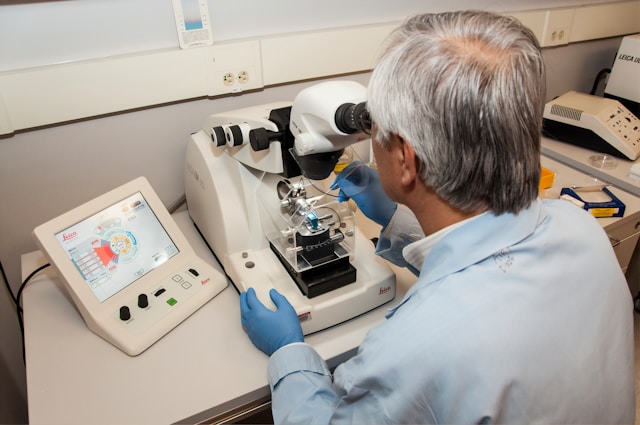
Biotechnology and medical devices are undergoing rapid transformation. Emerging biotechnology trends and advances in medical devices are reshaping the future of healthcare like never before, and in 2024, biotechnology will continue to revolutionize treatments, diagnostics, and patient care. From CRISPR gene editing to AI-driven diagnostic tools, these innovations are actively changing lives.
Biotechnology researcher Justin Ord explores the most significant biotechnology trends and their potential impacts on healthcare, offering insights into a future where technology and medicine converge to create unprecedented possibilities.
Revolutionary Technologies in Biotechnology
Biotechnology is evolving at an unprecedented pace. From gene editing to creating new life forms, revolutionary technologies are unlocking possibilities that were once deemed science fiction. These innovations promise transformative changes in healthcare, agriculture, and even environmental conservation.
CRISPR is a groundbreaking technology that’s changing the face of biotechnology. CRISPR, which stands for Clustered Regularly Interspaced Short Palindromic Repeats, enables scientists to “edit” genes with remarkable precision.
“Imagine being able to go into a book and correct typos at the letter level—CRISPR allows scientists to do just that with the genetic code,” says Justin Ord. “One of the most exciting applications of CRISPR is its potential to treat genetic disorders.”
For conditions like cystic fibrosis, sickle cell anemia, and even certain cancers, CRISPR offers the possibility of a cure rather than just managing symptoms. Researchers are already conducting trials to correct the faulty genes responsible for these diseases.
CRISPR is also making strides in agriculture, enabling the creation of crops that are more resistant to pests and extreme weather conditions. This means a more reliable food supply in the face of climate change.
Synthetic Biology
Synthetic biology takes biotechnology to another level by enabling scientists to design and construct new biological parts, devices, and systems. Unlike traditional genetic engineering, which modifies existing organisms, synthetic biology builds new ones from scratch.
One significant advancement in synthetic biology is the creation of “designer microbes.” These engineered organisms can produce pharmaceuticals, biofuels, and even biodegradable plastics. For example, researchers have developed bacteria that can produce insulin more efficiently, reducing costs and increasing availability for diabetic patients.
“Synthetic biology is paving the way for bio-manufacturing, where biological systems are used to produce chemicals, materials, and even food,” notes Justin Ord.
The potential for synthetic biology extends to environmental conservation. Engineered microorganisms can be designed to break down pollutants or capture carbon dioxide from the atmosphere, offering solutions to some of our most pressing environmental challenges.
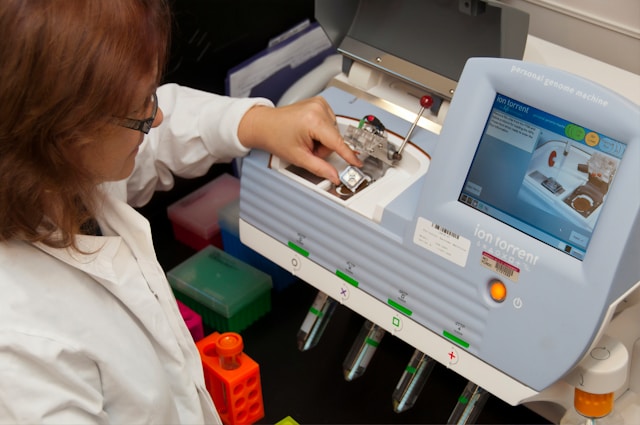
Advancements in Medical Devices
The world of medical devices is evolving at breakneck speed. The rise of wearable health devices is changing the way we monitor and manage our health. These gadgets, ranging from smartwatches to fitness trackers, give us real-time insights into our vital signs. But they do more than just count steps.
For patients with chronic conditions like diabetes or hypertension, wearables offer unparalleled convenience. They can sync with mobile apps to keep logs of blood sugar levels or blood pressure readings, making it easier to share this information with doctors. This continuous monitoring can lead to more accurate diagnoses and personalized treatment plans.
Wearable devices are making telemedicine more effective. During virtual doctor visits, patients can share real-time data from their wearables, providing a clearer picture of their health status. This is especially useful in managing chronic diseases and following up after surgeries.
Minimally Invasive Devices
Minimally invasive devices are revolutionizing surgical procedures. These devices allow doctors to perform surgeries through tiny incisions instead of large cuts. Think of it as using a keyhole instead of breaking down a door.
“Devices like endoscopes, laparoscopes, and robotic surgical systems have made these procedures possible. For example, laparoscopic surgery uses a camera and specialized instruments inserted through small incisions, allowing the surgeon to see inside the body and operate with precision,” says Ord.
Robotic-assisted surgeries take this to the next level as surgeons control robotic arms equipped with miniaturized surgical instruments. This provides unprecedented precision and control, reducing human error and improving outcomes. Minimally invasive devices aren’t just limited to surgery. They also play a role in diagnostic procedures.
Integration of Artificial Intelligence in Biotechnology
Artificial Intelligence (AI) is revolutionizing many industries, and biotechnology is no exception. The integration of AI in biotechnology is paving the way for advancements that were once unimaginable. AI is significantly accelerating the drug discovery process and improving the accuracy of new drug development.
Traditionally, drug discovery has been a lengthy, expensive, and complex process. Researchers often sift through vast datasets and conduct numerous experiments to find promising drug candidates. With AI, this process becomes faster and more efficient. AI algorithms can analyze vast amounts of biological data to identify potential drug candidates in a fraction of the time it would take humans. AI can help in repurposing existing drugs.
Predictive analytics in healthcare uses AI to analyze historical data and predict future health outcomes. This technology is enhancing disease prediction and prevention, offering a proactive approach to healthcare. AI algorithms analyze data from various sources, including electronic health records, wearable devices, and genetic information, to identify patterns and trends.
These patterns help healthcare providers predict the likelihood of a patient developing specific conditions, such as diabetes or heart disease. With predictive analytics, doctors can recommend personalized preventive measures to reduce the risk of diseases.
The integration of AI in biotechnology is just the beginning. As these technologies continue to advance, they hold the promise of transforming healthcare in ways we can only begin to imagine. AI is a powerful tool that is reshaping the future of medicine and medical devices.
The Future Impact of Advancing Biotechnology
The future of biotechnology and medical devices promises even more transformative breakthroughs. As advancements like CRISPR and AI-driven diagnostics become integral to healthcare, the potential to cure genetic disorders, improve patient care, and enhance diagnostics grows exponentially.
With ongoing research and ethical considerations, these biotechnology future trends and advances in medical devices will continue to shape the industry. As we move forward, the convergence of technology and medicine holds the promise of a brighter, healthier future for all.