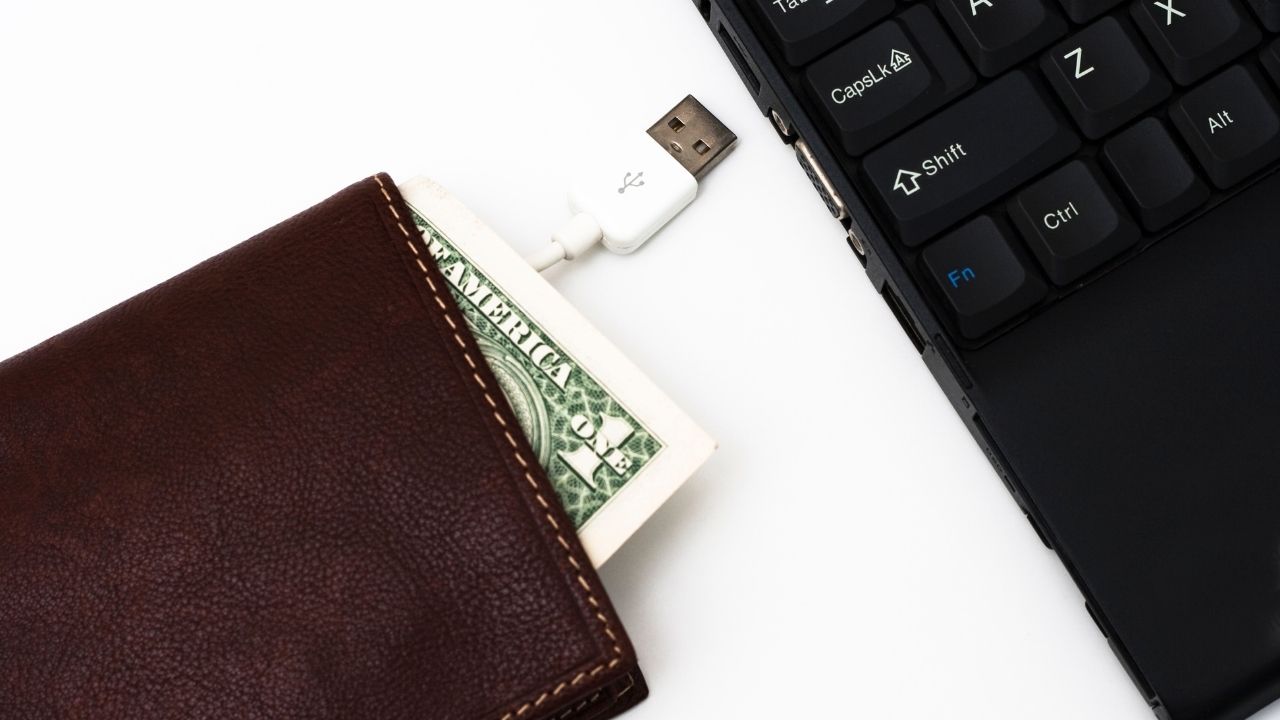
Whether one works on a construction site or on Wall Street, most are using paper in order to satisfy their customers and earn their compensation. Through modern history, payment orders, invoices and other billing procedures have been carried out through paper – even if many are now made online, they are still using wasteful.
In recent decades, scientific and other higher educational institutions, including notable scientific researchers from around the world, have been alerting governmental offices and the general public about the need to find more environmentally sustainable ways to support the advancement of humankind. While in today’s age, the use of paper in the workplace is commonplace, the transition to paperless invoices is now being reconsidered.
According to newer research and results of “go paperless” campaigns, local and federal regulations, and other tools used to curb wasteful behaviors and activities is calling into question the core premise – will going paperless truly help the environment?
The answer is not so fast. The claim is that the production of paper has contributed to mass deforestation and even greenhouse gas emissions. Many paper supplying companies as well as the American Forest and Paper Association (AFANDPA) have alleged that the accusations are misplaced.
According to AFANDPA, over 65% of paper used in the United States in 2012 was recycled – making paper the US’s most recycled commodity. Though switching to digital formats over physical paper seems environmentally conscious, the amount of energy used to maintain digital products contributes to “e-waste.”
The results of a 2008 study conducted by the KTH Centre for Sustainable Communications on the “Effects of a Total Change from
Paper Invoicing to Electronic Invoicing in Sweden” have shown the environmental impact of newer electronic billing methods. Data capture, which is the handling of the invoice information in the case of business-to-business transactions, tells us that businesses are using energy for production, scanning, verification and other billing-relation procedures.
The additional needs for servers and other digital services used to create electronic invoices are causing cumulative effects and are the main cause of energy use compared to the utility of paper. In addition, the physical use of a computer and the electricity used to power the machine further contributes to the waste management of using virtual systems over physically mailed invoices and produces another increasing business expense.
The second core reason behind the new considerations in the transition to paperless billing is its effect on society’s most vulnerable – the elderly and the poor.
While billing technologies and technological platforms continue to progress, so does the lack of access and misusage of new technologies. As innovation increases, the elderly will become less knowledgeable on how to maneuver it and citizens of a lower socio- economic degree will be less likely to acquire the expensive equipment needed so that they can enter the business market or even pay their everyday bills.
During the coronavirus pandemic, the issue of paperless billing and invoices have been magnified, especially for the pinnacle of concern – seniors on a fixed-income in rural areas. Shifting into a stage of “digital-only commerce” is causing this vulnerable population to miss important invoice errors which can cost them an untold amount in damages.
As the trend of paperless billing and other digital invoice methods have become more popular, financial consequences and new forms of waste management must be addressed. In order to truly tackle the
issues of environmental protection and sustainability, including the obstacles for the most vulnerable in society, the transition from paper to paperless in the business world must be reviewed with these figures, facts, and populations in mind.