Key Takeaways:
- A peer-reviewed Stanford University study published in AJIC found that Shyld AI’s autonomous UV-C devices cut hospital surface contamination by over 93%.
- Brothers Mohammad and Morteza Noshad founded the company in 2022 after Mohammad lost a close friend to a hospital-acquired infection.
- The company has raised a $13.4 million seed round led by Aulis Capital and has installations running in over 30 U.S. hospitals.
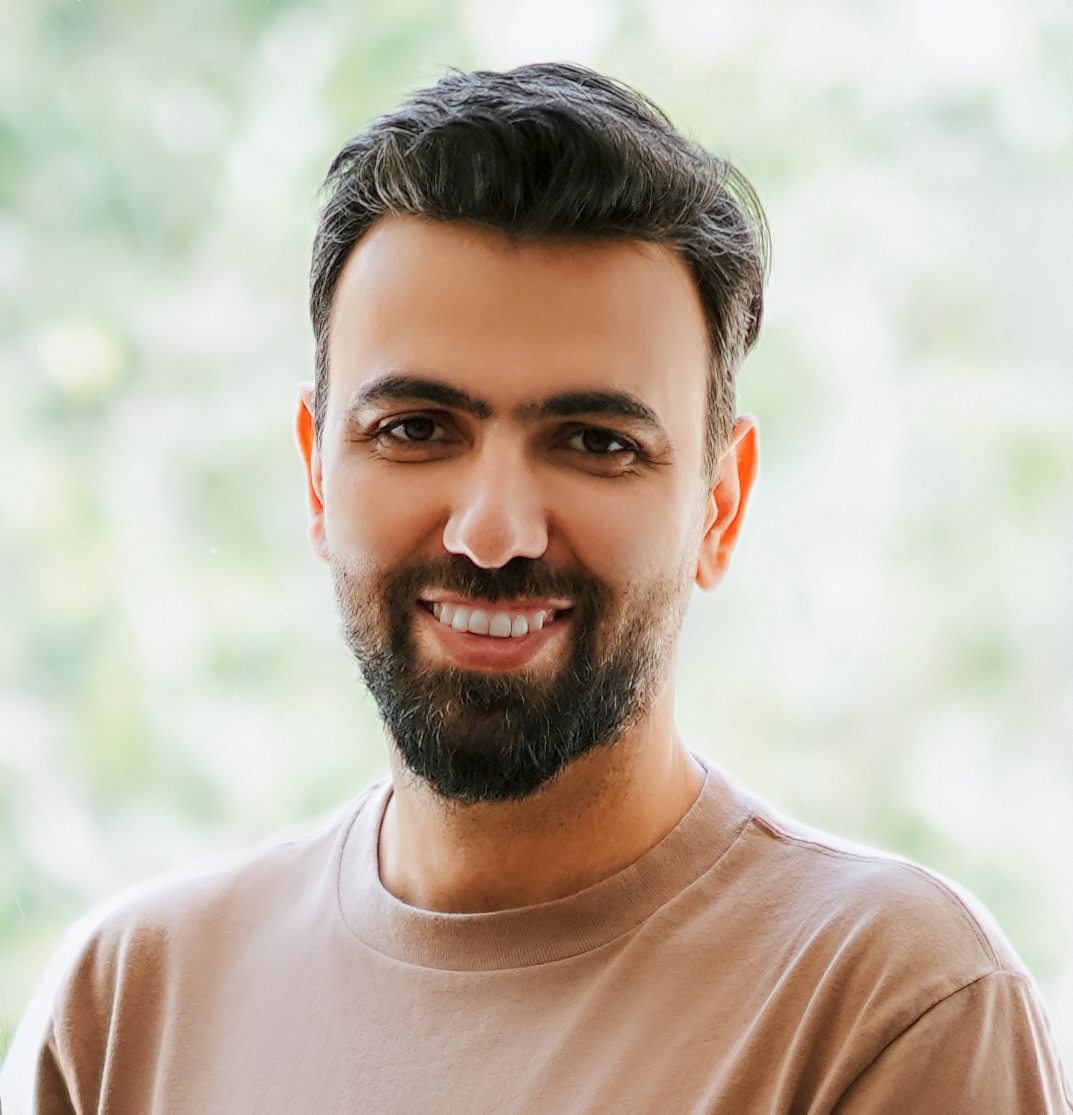
Shyld AI recently raised a $13.4 million seed round, one of the largest early-stage rounds in the healthcare AI sector. Aulis Capital led the round, and the capital is now being deployed to scale the company’s autonomous AI hardware across hospital rooms nationwide. Mohammad Noshad, the company’s founder and CEO, treats the round as the culmination of years of effort rooted in something personal.
Noshad’s close friend died from a hospital-acquired infection after a routine surgical procedure, and the loss shaped what he and his brother Morteza set out to build when they founded Shyld AI in 2022. Their goal was to bring real-time patient safety into the rooms where clinical care actually happens. According to the most current CDC figures, healthcare-associated infections still play a role in roughly 72,000 U.S. deaths each year, and Shyld AI is working to bring that number down within every facility where its technology is installed.
Inside the device that acts on its own
Much of the healthcare AI landscape today operates at a remove from clinical work itself, producing dashboards and after-the-fact reports that leave the acting to staff. Shyld AI approaches the problem differently by putting AI that intervenes directly inside the hospital room. Its wall-mounted units get installed inside patient rooms and stay on around the clock.
Every unit combines onboard sensing and precise UV-C disinfection in a single compact housing. The sensor stack continuously maps the room and detects moments that create cross-contamination risk, from a nurse making contact with a keyboard to a high-touch surface exposed when one patient rotates out and another moves in. Once the AI flags a risk event, the device fires a calibrated dose of UV-C light that neutralizes pathogens in seconds.
Driving the whole system is VERTEX, a proprietary foundation model Shyld AI built for real-time decision-making inside physical spaces. Developed in partnership with NVIDIA, VERTEX operates directly on each Shyld AI device through onboard GPU compute, rather than reaching back to hospital cloud systems for inference.
This edge-native design lets the system keep working through network outages and handles all environmental data on the device itself, with no video or personal information leaving the room. From an IT integration standpoint, putting a Shyld AI device into service looks more like mounting a smoke detector than deploying enterprise hospital software.
The proof and the people behind it
The clinical evidence for Shyld AI’s model has undergone formal peer review. Researchers from Stanford University published a study in the American Journal of Infection Control that documented a reduction of over 93% in cumulative microbial bioburden when Shyld AI’s system was compared to a control room following the standard manual disinfection playbook. The study followed contamination on surfaces across several weeks in one of the highest-demand clinical settings at a top-tier academic medical center.
That evidence has been converted into commercial momentum over the years that followed. More than 30 hospitals now run Shyld AI installations, and typical sales cycles land between eight and ten weeks, well ahead of the twelve to eighteen months that hospital technology procurement usually requires.
“We’re moving the industry from passive AI to Active AI, technology that understands how hospitals operate and improves workflows in real time without adding burden to clinical teams,” said Mohammad Noshad, founder and CEO of Shyld AI.
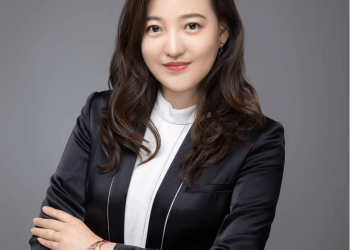
Mohammad and his brother Morteza Noshad, who serves as co-founder, bring depth to the company from complementary directions. Mohammad earned his PhD in two and a half years and later spent multiple years conducting AI research at Harvard. He also founded and exited two other companies before starting Shyld AI. Morteza carries a PhD in computer science from Stanford and designed the technical architecture that VERTEX runs on.
What comes after the hospital room
Infection control is where Shyld AI’s technology enters a facility, but the company’s larger ambition is to place action-based AI inside every physical setting where contamination or operational delay carries real cost. In operating rooms, Shyld AI’s agents are already monitoring surgical readiness, catching missing instruments before cases start, tracking workflow phases, and surfacing preventable delays. In a setting where each minute of OR time costs hundreds of dollars, even small delays compound quickly into significant losses.
Beyond the hospital, Shyld AI has begun engaging with pharmaceutical companies, extending its technology to cleanroom contamination control and compliance documentation in sterile manufacturing environments. The seed round proceeds are underwriting new hospital deployments and the engineering work of adapting VERTEX to additional physical settings.
At the level Mohammad Noshad tracks the company against, the ambition sits with the category itself. Shyld AI is building action-based AI for physical infrastructure, a category that did not exist before. What began with a single personal loss now runs across dozens of U.S. hospitals, working to keep the outcome that took his friend’s life from repeating for the next patient.
To learn more about Shyld AI’s technology or schedule a demo, visit shyld.ai or connect with Mohammad Noshad on LinkedIn.
About Shyld AI
Shyld AI is a healthcare technology company bringing physical agentic AI to hospital operations. Founded by CEO and Co-Founder Mohammad Noshad, Shyld AI develops autonomous physical agents that streamline hospital operations like infection control, OR efficiency, and compliance, without adding workload for staff. Its technology combines AI with UV disinfection to reduce environmental contamination by up to 93%. Shyld AI is deployed across hospitals nationwide, improving clinical care, efficiency, and cost savings. To learn more, visit www.shyld.ai/