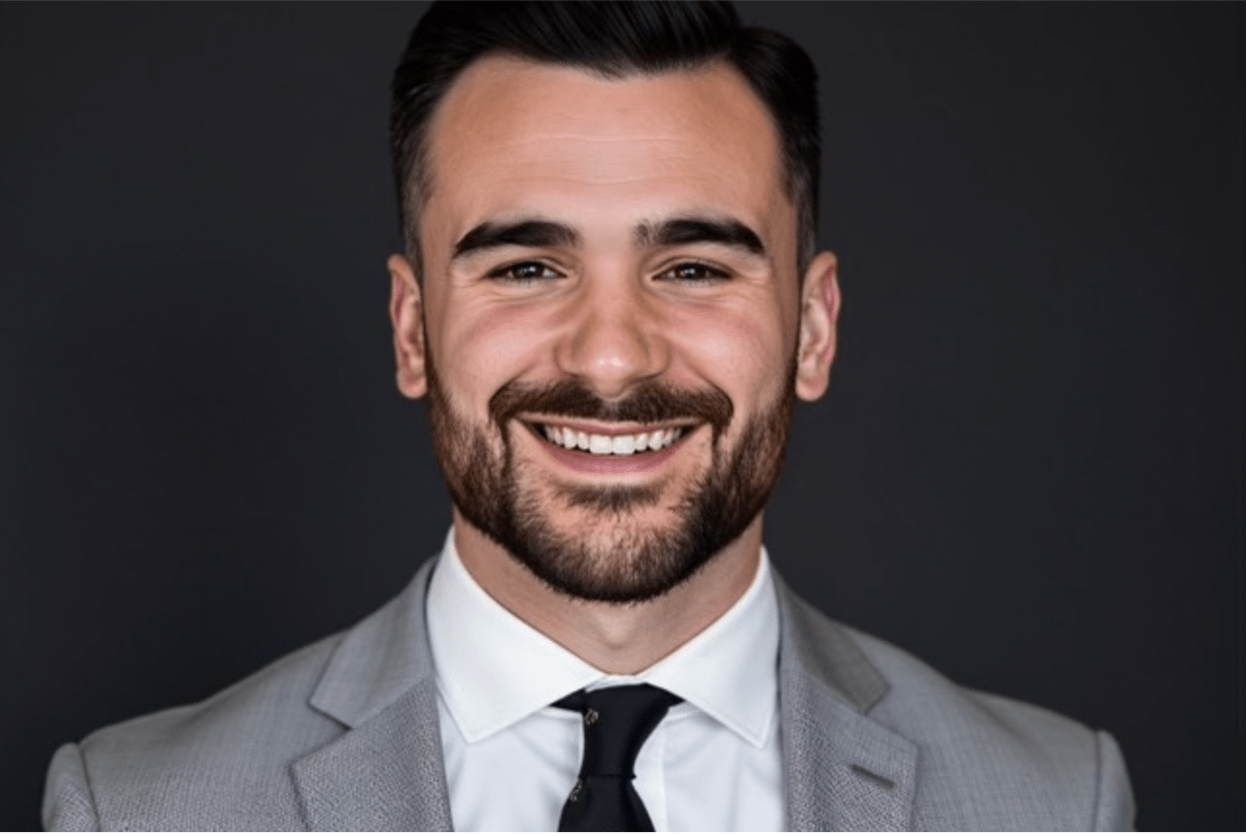
Many former athletes find themselves drawn to careers in healthcare due to their firsthand experiences with physical training, injury recovery, and general health. The transition from sports to medicine is a natural fit, as both fields require discipline, resilience, and teamwork. For former athletes like Zachary Duprey, healthcare offers stability, career opportunities, and a chance to make an impact. Through direct patient care, research, or administrative roles, they can apply their competitive mindset to meaningful work. While the shift can come with challenges, the skills developed in sports—such as adaptability, leadership, and perseverance—serve as valuable assets in the medical field.
Why Former Athletes Choose Healthcare Careers
Many college athletes seek careers in healthcare because it allows them to stay connected. The healthcare industry offers a sense of purpose, where former athletes can apply their competitive drive toward helping others regain strength and mobility. Aside from personal fulfillment, healthcare provides long-term career stability and opportunities for growth.
The structured nature of healthcare professions aligns well with the disciplined lifestyle athletes are accustomed to. High-demand fields such as physical therapy and sports medicine often attract those who want to remain close to athletics while making a tangible impact on patient outcomes. With advancements in healthcare, former athletes have the opportunity to contribute to cutting-edge medical innovations that enhance rehabilitation and performance.
Beyond passion and familiarity, the healthcare industry offers strong job security and financial stability. With high demand for medical professionals across various fields, former athletes can build a career that provides fulfillment and long-term success. Many recognize that their ability to stay focused under pressure, set goals, and work tirelessly toward improvement translates well into the fast-paced medical field.
Transferable Skills
Athletes develop a unique set of skills that translate seamlessly into the healthcare industry. Years of training instill discipline, resilience, and the ability to thrive under pressure—qualities essential in medical environments. Whether handling intense competition or managing injuries, athletes learn to stay composed and make quick decisions, much like healthcare professionals navigating critical situations. Their ability to perform under pressure becomes an asset when dealing with high-stakes medical emergencies.
Collaboration is another defining trait of both fields. Athletes rely on teamwork to achieve success, just as healthcare workers coordinate with colleagues to provide the best patient care. Strong communication and leadership abilities help former athletes adapt to roles where teamwork is vital, from nursing teams to physical therapy practices. Their understanding of motivation and perseverance also makes them effective at encouraging patients through recovery and treatment.
Adaptability is a necessity in this new setting. Just as athletes adjust to new strategies and unexpected challenges during competition, healthcare professionals must navigate medical advancements and unpredictable patient needs. This ability to remain flexible while maintaining focus enables former athletes to excel in fast-paced environments.
Career Opportunities
Many former athletes gravitate toward physical therapy and sports medicine, where they can apply their firsthand knowledge of injury prevention and recovery. Their familiarity with rehabilitation techniques gives them an advantage when working with patients recovering from sports-related injuries. Some pursue careers in athletic training, helping teams and individuals optimize performance while minimizing injury risks.
Beyond therapy and rehabilitation, some transition into nursing and other patient care roles. The problem-solving mindset developed through sports helps them assess situations quickly and make informed decisions, essential traits in emergency rooms and clinical settings. Others find fulfillment in healthcare administration, using leadership experience to oversee operations, manage teams, and improve patient care systems.
Education and Training for a Successful Transition
Shifting from athletics to healthcare often requires additional education and specialized training. Many former athletes pursue degrees in physical therapy, nursing, or healthcare administration, leveraging their passion for health and wellness into structured career paths. Certification programs and continuing education courses provide faster routes for those looking to enter the field without committing to years of schooling. Some also enroll in specialized workshops that focus on sports science and rehabilitation techniques.
Some universities and organizations offer transition programs specifically designed for athletes exploring new career options. These initiatives connect them with mentors, internships, and networking opportunities that ease the shift into healthcare. The same dedication that once drove them in sports helps them excel in rigorous academic environments, making the learning process smoother.
Overcoming Challenges in Career Shifts
Leaving a structured athletic lifestyle and stepping into a new professional environment can be overwhelming. Athletes are accustomed to a regimented schedule, constant physical activity, and a clear sense of purpose. Adjusting to a different daily routine, especially one that lacks the competitive nature of sports, can take time. However, many find that healthcare offers a similar sense of fulfillment, as they continue to push themselves while making a meaningful impact on others.
Balancing further education, training, and career growth can be demanding. Some former athletes struggle with the shift from physical performance to intellectual or technical skills. Seeking guidance from mentors, building a strong support system, and staying committed to continuous learning can help ease this transition. Support from peers, career coaches, and industry professionals plays a crucial role in ensuring a smooth adjustment to new responsibilities.
Inspiring Success Stories
Many former athletes have successfully built careers in healthcare, demonstrating that the skills developed in sports can lead to meaningful professional paths. Some have gone on to become physical therapists, helping others recover from injuries they once faced themselves. Others have thrived in nursing, patient care, or medical technology, using their resilience and teamwork abilities to make a difference in people’s lives.