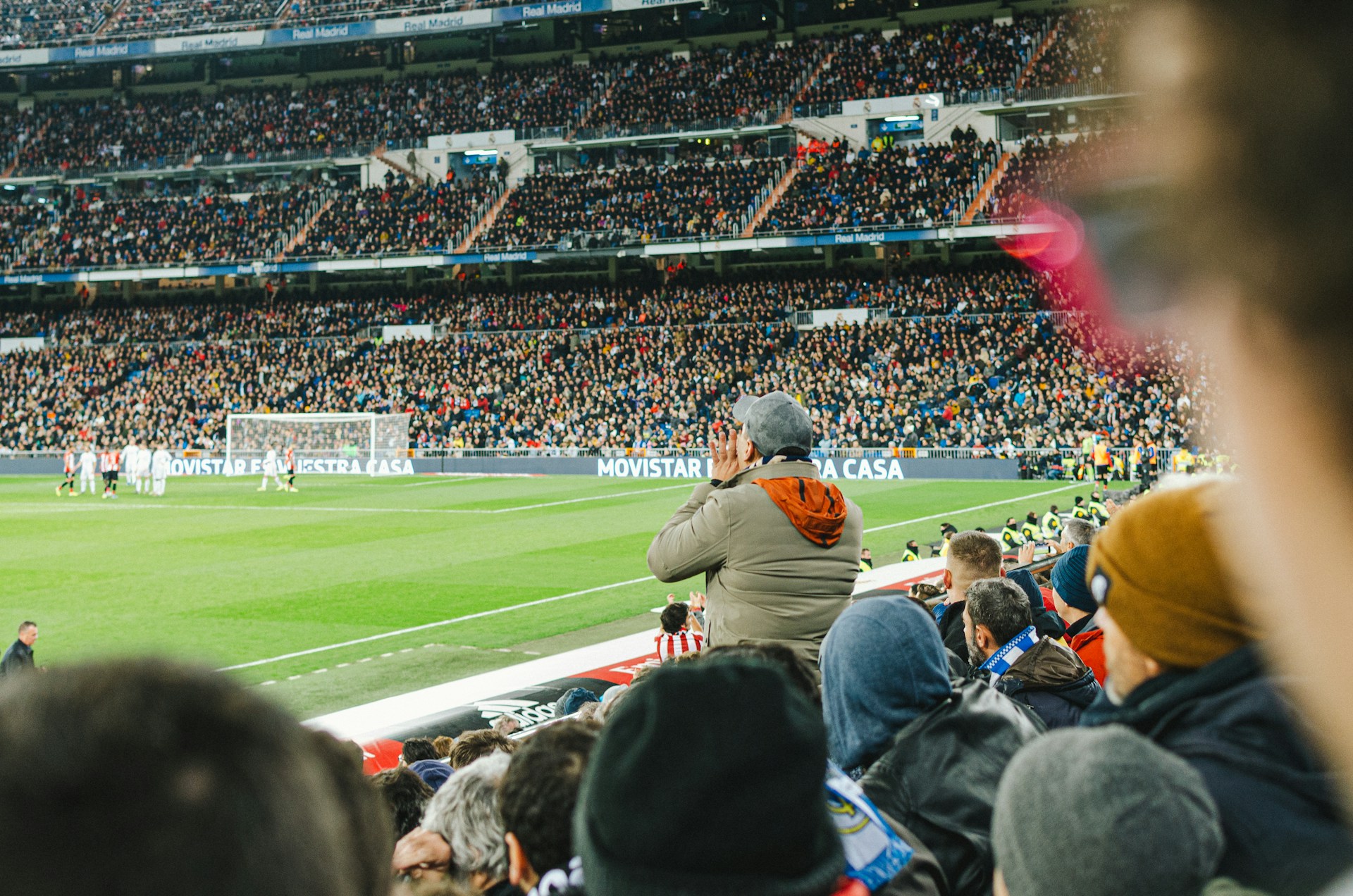
The spectator experience has transformed the way people interact with entertainment and each other, a shift that Evan Weiss, St. Louis, has watched unfold with particular interest. In the past, Weiss reflects, being part of a crowd meant attending concerts, sporting events, or performances in person. The experience was bounded by geography, ticket availability, and the physical limits of a venue. Today, digital technology enables people to participate from home, leading to an explosion of content designed for viewers rather than for the live participants. A championship game, a music festival, or a video game tournament can now reach an audience many times larger than any stadium could hold, and that audience can watch from a couch, a commuter train, or a phone screen in another hemisphere.
This shift has created new business models and altered social habits, as more people question the impact of passive consumption on their lives. The question is no longer whether spectatorship is convenient. It clearly is. The question is what happens to individuals and communities when watching becomes the default way of experiencing the world, and why a growing number of people are deliberately choosing to step out of the audience.
What Is the Spectator Economy?
Evan Weiss describes the spectator economy as the vast commercial ecosystem built around watching rather than doing. Watching professional sports, attending concerts, and streaming movies or live events are all part of this growing trend, but the category has expanded far beyond traditional entertainment. Social media platforms and video-sharing sites have become central, allowing millions to watch others play games, travel, cook, renovate homes, or perform. Entire careers now exist because audiences will reliably show up to observe someone else’s experience.
This shift has created industries designed around large audiences who are content to watch rather than take part themselves, shaping how people spend both time and money. Advertising budgets follow attention, and attention increasingly flows toward screens. As new platforms and forms of entertainment emerge, spectatorship continues to expand, influencing everything from marketing strategies to cultural norms. What was once a supplement to lived experience has, for many, become a substitute for it.
How Spectating Has Changed
Spectatorship itself is nothing new. Ancient civilizations built amphitheaters and arenas precisely because humans have always gathered to watch. What has changed is the scale, the accessibility, and the sheer volume of watchable content. The advent of radio and television allowed audiences to enjoy events from afar, but the arrival of digital platforms has taken this to another level. Now, millions can tune in to live streams, esports tournaments, or influencer broadcasts from anywhere in the world, at any hour, often for free.
The line between observer and participant has also blurred. Interactive features, live chats, polls, and real-time feedback give viewers a sense of involvement that earlier generations of spectators never had. A viewer can influence what a streamer does next or vote on the outcome of a live show. Yet even with these interactive layers, the fundamental posture often remains the same: the focus is on watching rather than doing. The feeling of participation can be genuine while the underlying activity stays passive, and that distinction matters more than it first appears.
Economic and Social Effects
The spectator economy fuels major industries, generating billions in revenue for sports leagues, broadcasters, and online platforms. Ticket sales, advertising, sponsorships, subscription services, and merchandise all thrive on the immense audiences drawn to these events. Media rights deals for professional sports alone represent some of the largest contracts in the entertainment world, and streaming platforms compete fiercely for exclusive content because they understand exactly how valuable a captive audience is.
On the social front, this consumption can shape daily routines and even relationships. Watching together, whether virtually or in person, remains a genuine form of connection. Families gather for big games, friends coordinate watch parties across time zones, and online communities form around shared fandoms. These bonds are real, and dismissing them entirely would misread the culture.
However, the emphasis on observation can sometimes lead to less community participation and fewer opportunities for direct involvement. Hours spent watching are hours not spent playing, building, volunteering, or practicing. When the balance tips too far toward consumption, individuals may find that their calendars are full of content but light on experiences they actually created or shaped. Over time, that imbalance changes how people connect and engage with one another, and it can leave a quiet sense that life is happening on the other side of a screen.
Why Some People Are Stepping Back
Many individuals are reconsidering their roles as spectators, and the reasons vary. Cost is one of the most common. Rising prices for tickets, subscriptions, and merchandise have made passive entertainment surprisingly expensive, and households juggling multiple streaming services often find they are paying more than they ever did for cable while watching less of it.
Others are motivated by concerns about screen time, advertising overload, or the commercialization of once-authentic pastimes. When every broadcast is saturated with sponsorships and every platform is engineered to maximize watch time, some viewers begin to feel less like fans and more like inventory. That realization can be enough to prompt a change.
Finally, there are those who simply want more from their free time. They seek greater authenticity or direct participation, choosing to play a sport, create art, learn an instrument, or volunteer rather than observe from the sideline. For this group, opting out of the spectator economy is not a rejection of entertainment. It is a decision to become a participant rather than an audience member.
Evidence of a Shift
Recent polls highlight a gradual decline in traditional TV sports viewership among younger generations, who often seek more interactive or hands-on alternatives. Stories continue to surface of people canceling streaming services, trimming subscriptions, or opting for local events over mass-market spectacles.
Digital forums are filled with individuals sharing how they have swapped passive viewing for active hobbies, from joining amateur leagues to attending workshops and community classes. The trend is also visible in the rise of maker spaces, local clubs, running groups, and fitness communities, all reflecting a renewed interest in doing rather than just watching. None of this signals the collapse of the spectator economy, which remains enormous and profitable. It does suggest, though, that a meaningful segment of the audience is quietly renegotiating its relationship with the screen.
Navigating the Spectator Economy
Finding a balance between watching and doing is becoming more important as entertainment options multiply. Spectatorship is not inherently harmful, and shared viewing will always have a place in how people connect. The challenge is intentionality: choosing what to watch and why, rather than defaulting to whatever a platform serves next.
Exploring new interests and reconnecting with hands-on pursuits offers opportunities to build skills, form relationships, and experience life beyond the screen. For those who feel the pull to step out of the stands, the good news is that participation has never required permission. The field, the workshop, and the community have been there all along, waiting for the audience to join in.